CLICK ABOVE EXPLORE MORE ABOUT EACH STEP
SELECT YOUR vinyl COATING METHOD
(Knife Coating vs Calendar Lamination)
Choosing how the vinyl is applied sets your performance ceiling. We manufacture coated and laminated vinyl using knife-over-roll coating and calendared film lamination. Pick by target coat weight (oz/yd² or gsm), thickness (mils), surface (matte to high-gloss), adhesion for welding or bonding, and printability.
We’ll help you map the method to your spec and budget, providing coated options up to 80 oz.
CLICK EACH BUTTON TO LEARN MORE
Does knife-coated vinyl hold print well?
Yes. With the right formula of lacquer or primer, knife-coated surfaces deliver crisp ink holdout for digital, solvent, UV, and screen.
Our formula includes fine tuning surface energy, gloss, and texture to popular press and ink sets.
Our options include print-receptive lacquer surface treatments for digital, UV, solvent, and screen. We can pair with micro-emboss options to help further improve ink anchorage while keeping graphics sharp.
What is the difference between knife coating and calendar film lamination?
Knife coating spreads PVC directly over the scrim with a controlled knife gap for targeted coat weight, texture, and gloss.
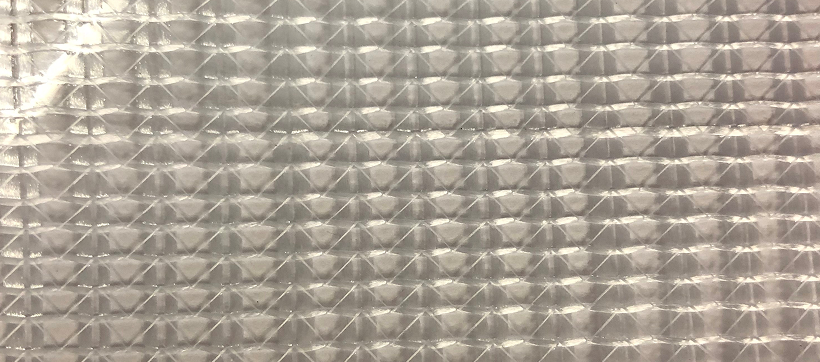
Calendar lamination bonds a tightly gauged calendared film to the scrim for ultra-smooth or clear surfaces and easy multi-layer builds.
Both deliver tight tolerance, strong adhesion, and clean print results.
Is thickness control different?
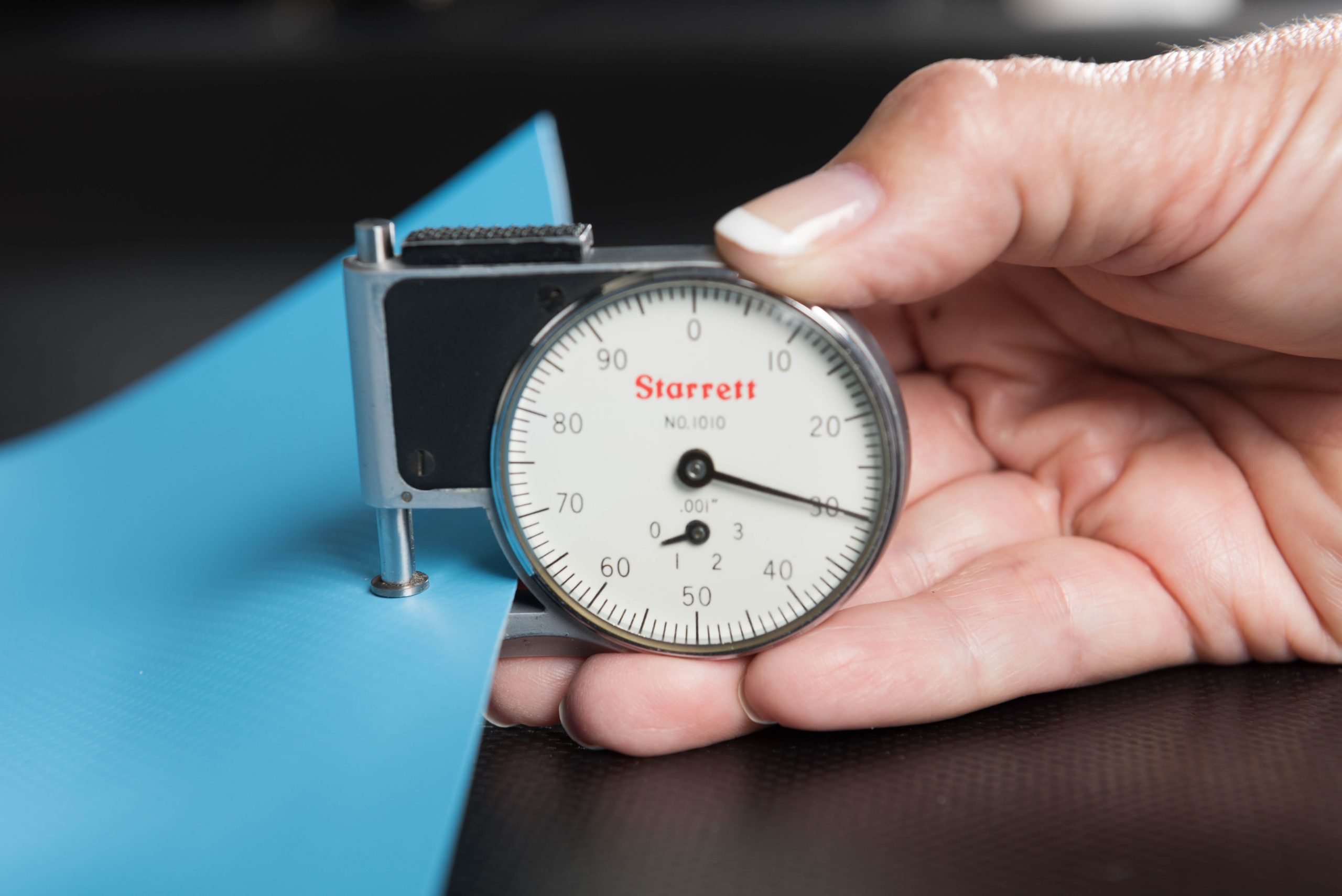
Both achieve precise thickness. Knife coating uses knife-gap and coat-weight checks; calendaring controls film gauge, then laminates to scrim.
Can both constructions be welded or bonded?
Yes. We design for RF or hot-air welding and for adhesive bonding. Peel adhesion is tuned through resin, plasticizer, and topcoat choices. Ask for peel data from our Technical Performance Lab team.
What is knife-over-roll coating?
A precision blade spreads PVC onto the scrim. You control knife gap, viscosity, and oven cure to hit targeted thickness, gloss, and adhesion.
FILM CALENDARING PROCESS
The film calendaring process is one of the two primary coating methods used to create vinyl fabric. This process produces a strong, flexible film layer that forms the foundation for vinyl-laminated materials.
Film calendaring creates the base film used for vinyl lamination. The process begins by blending raw materials, including PVC resin, plasticizers, stabilizers, fillers, pigments, and additives such as UV inhibitors and flame retardants.
These materials are heated and mixed into a molten compound, then extruded and shaped into a thin, uniform film using calendared film extrusion. The film is pressed onto a chill roll to achieve a smooth surface and consistent thickness.
Once cooled, the film is collected in rolls and laminated onto a polyester base fabric using heat and pressure. The result is a flexible, durable, and customizable vinyl-laminated textile.
Calendaring is ideal for applications that require consistent thickness, surface clarity, and a smooth finish at high production efficiency.

THE right method MAKES THE DIFFERENCE
KNIFE COATING
• Heavier coat weights and blackout builds
• Textured surfaces and deep emboss control
• Cost-efficient on high-opacity or color-dense runs
• Good for weldable constructions and durable backcoats
CALENDAR FILM AND LAMINATION
• Tight thickness tolerance and smooth finish
• High clarity films and clean print surfaces
• Consistent gloss control from matte to high-gloss
• Ideal for multi-layer composites and barrier layers
The coating method isn’t just a production step. It’s the difference between a fabric that performs and one that fails early. Getting it right takes a partner who understands both the chemistry and the cost of doing it wrong.
We’ve built that knowledge through decades of hands-on development and collaboration. Whether your project calls for the precision of knife coating or the efficiency of lamination, we’ll guide you toward what works best for your application, your environment, and your standards.
With Value Vinyls, you don’t just get a supplier. You gain a partner who knows how to protect your material, your reputation, and your results.
See how we validate performance before production.